
Design Principles That Reduce Friction

Effective asynchronous feedback begins with intentional design: crisp prompts, well-bounded decisions, and shared artifacts that eliminate guesswork. When you define purpose, audience, and deadlines up front, contributors respond thoughtfully rather than reactively. Clear ownership, versioned documents, and decision logs reduce loop churn, create momentum, and protect everyone’s focus. These principles make remote and hybrid collaboration calmer, faster, and more inclusive for voices that might otherwise be overshadowed in crowded live calls.

Clarify purpose before asking for input

Replace vague requests with structured prompts that specify the decision to be made, the context, the success criteria, and exactly what type of input is useful. Share the latest draft, note unanswered questions, and define how feedback will be synthesized. When people understand the job to be done, they deliver thoughtful insights, avoid duplicating effort, and prevent threads from spiraling. Clarity accelerates progress and gives everyone permission to ignore irrelevant rabbit holes.

Right-size the loop and the audience

Invite only those who materially influence the decision or represent essential perspectives, then let others follow passively through watchlists or summaries. Large groups slow decisions and scatter accountability. Small, purposeful loops encourage deeper reading, reduce performative signaling, and keep context tight. Name a directly responsible individual for synthesis, capture dissenting views, and escalate intentionally when trade-offs affect broader teams. Protect attention as a scarce resource to increase quality and speed simultaneously.

Picking Channels That Fit Real Lives

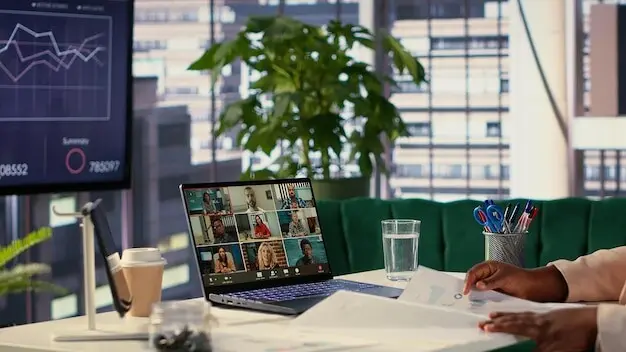
Not every message deserves a meeting. Choose channels that match the job: rich document comments for complex ideas, short videos for tone and nuance, and structured forms for repeatable reviews. Time zones shape when people can think clearly, not just when they are awake. By agreeing on which channels handle drafts, decisions, updates, and escalations, teams sidestep confusion, reduce interruptions, and create a predictable rhythm that respects deep work and personal commitments.

Culture Where Candor Feels Safe

Tools help, but culture makes it stick. Asynchronous feedback works when people believe their contributions are welcome, heard, and acted upon without punitive surprises. Set expectations for tone, response windows, and respectful dissent. Normalize drafts that are imperfect yet directionally useful. Leaders model humility by inviting critique on their own work, summarizing opposing views fairly, and acknowledging when feedback changed outcomes. Safety fuels honesty, and honesty fuels better, faster decisions across distances.

Rituals That Keep Momentum

Weekly roundups with clear decisions

A concise weekly summary curates the most important drafts, decisions, and deadlines in one place. Link to artifacts, list owners, request specific feedback, and note final decision dates. Readers should quickly scan, then dive deeper only where relevant. This habit supports transparency without flooding channels, creating a dependable heartbeat for distributed projects. Encourage replies with quick reactions or threaded comments so engagement metrics guide future improvements to structure and timing.

Working agreements across time zones

Write down expectations for overlap hours, response ranges, preferred channels for different request types, and how to flag urgent exceptions. Document how handoffs occur between regions, including what constitutes “ready” for the next person. Agreements evolve as teams grow or shift, so review quarterly. Explicit agreements prevent accidental pressure, protect evenings and weekends, and make collaboration predictable. Newcomers gain confidence faster because norms are visible, negotiable, and reinforced through consistent practice.

Lightweight SLAs for response windows

Set simple, humane response windows that match the stakes: for example, twenty-four hours for routine comments, forty-eight for deep reviews, and same-day for critical blockers. SLAs anchor expectations without micromanaging. Publish them in onboarding docs and roundup footers. When someone cannot meet a window, they acknowledge early and propose a new date. Predictability reduces anxiety, improves planning, and ensures important work receives adequate attention rather than hurried, low-quality drive-by opinions.

From Input to Impact: Measuring Progress

Great feedback changes outcomes. Measure cycle time from request to decision, the spread of participation across roles and regions, and the percentage of comments that lead to edits, reversals, or confident approvals. Track how often exceptions require meetings and why. Use lightweight dashboards and periodic retros to spot bottlenecks. Metrics are guideposts, not weapons; their purpose is learning and improvement. Share results broadly to reinforce transparency and invite ideas that raise the signal further.

Product trio shipping across nine hours

A product manager in Berlin, an engineer in Toronto, and a designer in Nairobi replaced standing status calls with a proposal template, time-stamped videos, and a forty-eight-hour review window. Weekly roundups highlighted blockers and decisions. Within two cycles, cycle time dropped and weekend pings vanished. The trio credits their success to ruthless clarity in prompts and a shared decision log that eliminated confusion when priorities shifted. They still meet—only for thorny trade-offs and celebration.

Support leads taming noisy channels

A global support organization struggled with sprawling chats and missed follow-ups. They introduced issue templates for escalations, voice notes for context, and a daily digest that summarized outcomes for each region. Response windows became predictable, and on-call rotations calmed down. Feedback quality rose because leads had structured prompts and historical context at their fingertips. Customers noticed faster, clearer resolutions, while internal stakeholders appreciated fewer surprise meetings interrupting focused work during peak coverage hours.

Design guild leveling up reviews

A distributed design guild replaced marathon critique meetings with annotated Figma files, guided rubrics, and short walkthrough videos. Contributors signed up for specific sections rather than skimming entire flows, then summarized insights in a single synthesis note. Recognition posts celebrated comments that improved accessibility and simplified complex interactions. Over a quarter, rework decreased and launch confidence rose. Junior designers reported learning faster because critique history was searchable, reusable, and framed as cumulative, shared craft.

Lentokarotelifari
Privacy Overview

This website uses cookies so that we can provide you with the best user experience possible. Cookie information is stored in your browser and performs functions such as recognising you when you return to our website and helping our team to understand which sections of the website you find most interesting and useful.