
Hear, Reflect, Transform: Turning Critique into Forward Motion

From Hearing to Understanding
Hearing captures words; understanding captures intent, context, and consequence. Start by summarizing the essence of what you heard, then test your summary gently: “Did I get that right?” This question invites nuance, corrects assumptions, and builds co-ownership over clarity. Over time, your conversation partners learn that you are not merely collecting quotes but cultivating meaning, which encourages them to share candidly, refine requests, and help you focus on the behaviors that matter most.
Mirroring Without Mimicking
Effective mirroring echoes core points and emotions without parroting sentences or mimicking tone. Aim for language that respects the speaker’s framing while using your own words, so comprehension—not theatrics—takes center stage. When someone says a process feels chaotic, you might reflect, “You’re spending more energy finding information than using it.” That translation proves you grasp the struggle’s shape. Done consistently, mirroring becomes a bridge between critique’s raw edges and the smoother path to solution.
Intentional Pauses and Probing
Silence can be a signal of safety. After reflecting back, pause longer than feels comfortable, allowing space for deeper truth to surface. Follow with open-ended prompts like, “What would better look like next week?” or “Which example bothers you most?” These probes transform generalized complaint into granular clarity. Small details—when, where, who, and impact—later become the material of change plans, measured experiments, and renewed trust that progress is not only possible but already in motion.

Defusing Defensiveness and Building Psychological Safety
From Feedback to Action Plans

Remote and Cross-Cultural Conversations

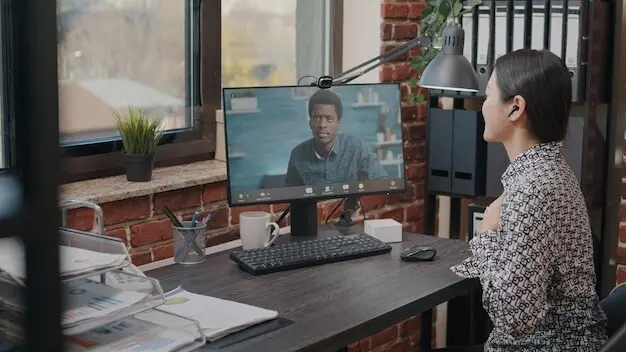
Signal Presence Through Digital Cues
Navigate High-Context and Low-Context Styles
Language, Tone, and Translation Pitfalls
Leaders as Listeners: Coaching in One-on-Ones

Measure What Matters: Tracking Change After Conversations

All Rights Reserved.